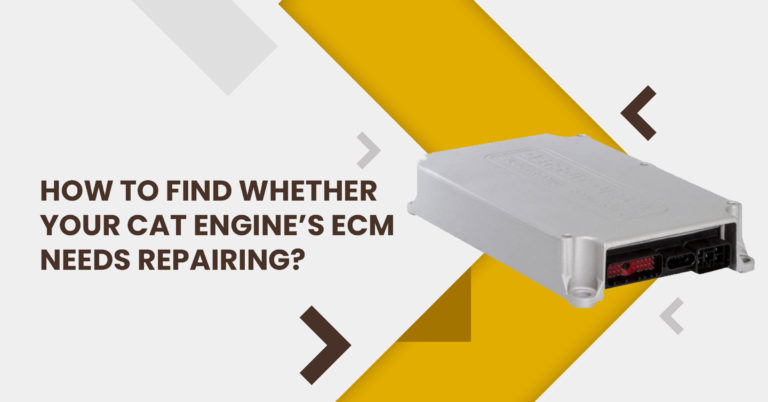
Caterpillar ECM tuning changes the settings stored in your Cat engine’s computer to get more power, better fuel economy or a better match to the work the truck does. Done right, a tune makes a good engine better. Done wrong, it can cost you an engine or put you on the wrong side of emissions law.
This guide explains what Cat ECM tuning really is, the 5 things a tune can safely change, the trade-offs, the emissions rules you must respect and how our mail-in tune service works.
In this guide
What Caterpillar ECM tuning is
Every Cat electronic engine runs on software (a flash file) and a set of ratings and limits stored in the ECM. The rating sets the horsepower and torque the engine is allowed to make. Other settings control road speed, cruise, idle and how the engine responds to the throttle.
Caterpillar tuning means changing those settings. In most cases it means moving to a different rating that the same engine already supports, or adjusting parameters within Caterpillar’s limits, not writing new software from scratch.
Because the engine is the same, the safest power gains come from ratings the engine family was designed for. A C15 built for one horsepower rating can often run another rating in the same family, as long as the cooling, turbo and drivetrain can handle it.
5 things a Cat tune can change
- Horsepower and torque rating: a different rating within the engine family, for more pulling power on hills or with heavy loads.
- Road speed and cruise limits: the maximum vehicle speed and the highest cruise set speed.
- Idle settings: idle speed and idle shutdown time to save fuel at the dock.
- Gear-down protection and progressive shifting: settings that reward drivers for running in top gear at lower rpm.
- Engine brake and PTO settings: how the engine brake behaves and how the engine runs when driving a PTO.
Items 2 to 5 are customer parameters, the part of Cat ECM tuning most fleets use. They change how the truck drives without changing the engine’s power, and they are often the cheapest way to improve fuel economy.
Horsepower, fuel economy and engine life
More horsepower means more fuel burned when you use it, more heat and more load on the turbo, pistons, clutch and driveline. A higher rating on an engine with a tired cooling system or worn turbo can lead to high exhaust temperatures and early failures.
Fuel economy gains usually come from driving habits that the settings encourage: lower cruise speeds, less idle time and shifting into top gear sooner. A modest change in road speed often saves more fuel than any power tune.
Before you tune a Caterpillar engine for more power, check that it is healthy. Low blow-by, a good turbo, clean intercooler and a radiator that is not clogged all matter.
Emissions rules you must follow
In the United States it is illegal to remove or disable emissions equipment on a road vehicle, or to install software that does. The U.S. Environmental Protection Agency enforces these rules, and fines apply to the shop and the owner.
Legitimate Cat ECM tuning stays inside the ratings and parameters the engine was certified with. We do not offer delete tunes or any change that defeats emissions controls.
How our mail-in Caterpillar ECM tuning works
Our Caterpillar ECM tune service is $200 on our price list (November 2026). The process is simple:
- Contact us with your full engine serial number so we can confirm what your engine supports.
- Pay for the tune service and remove the ECM from the engine.
- Ship the ECM to our Fort Worth, Texas shop with your contact details and the settings you want.
- We tune the ECM, record the changes and ship it back.
The ECM goes back on the engine plug and play. We keep a record of the original and new settings in case you want to return to stock later.
Check this before you tune
- Read and fix any active fault codes first. A tune will not cure a sensor or injector problem.
- Check the turbo, intercooler and radiator for leaks or blockages.
- Make sure the clutch and transmission are rated for the torque you want.
- Record your current customer parameters so you can compare after the tune.
- Know your engine serial prefix. Our page on finding your engine serial number shows where it is.
If the ECM itself is acting up, fix that first. Our guides to Caterpillar ECM repair and Caterpillar ECM programming explain the options.
What results to expect
A rating change gives the most noticeable result from Caterpillar ECM tuning: the truck holds speed better on grades and pulls harder at lower rpm. Parameter changes are subtler but pay back over months through lower fuel bills and less idle time.
After any tune, watch your coolant and exhaust temperatures for the first few loads, and check for new fault codes. If anything looks wrong, call us and we will review the settings with you.
Frequently asked questions
Will Caterpillar ECM tuning void my warranty?
It can affect engine warranty coverage. If your engine is still under a manufacturer warranty, check with Caterpillar or your dealer before changing the rating.
How much horsepower can a Cat tune add?
It depends on the engine and the ratings it supports. Send us your full engine serial number and we will tell you which ratings are available.
Can you tune my Cat ECM without removing it?
Our tune service is mail-in, so the ECM comes to our shop. Removing it is usually a short job with basic tools.
Can a tune improve fuel economy?
Yes, mostly through lower road speed, shorter idle time and progressive shift settings rather than higher horsepower.
Talk to us about Cat ECM tuning
Call 726-999-0231 or contact us with your engine serial number and what you want the truck to do. We will tell you honestly what a tune can and cannot achieve.