Buying a used semi truck can be the smartest way into trucking or the quickest way out of it. The difference is usually in what you check before you pay. A truck that looks clean can hide an engine that has been worked hard, an aftertreatment system near the end of its life or an engine computer full of stored faults.
This used semi truck checklist covers 10 checks before buying a used semi truck, what the ECM data tells you, paperwork and history, and how to use what you find to negotiate the price.
In this guide
10 checks when buying a used semi truck
- Read the ECM data. Engine hours, idle time, fuel used, average speed and fault codes. See the next section.
- Cold start. Ask for the engine to be cold. Watch for hard starting, smoke and knocking.
- Blow-by and leaks. Check the crankcase breather and look for oil, coolant and fuel leaks.
- Aftertreatment. On newer trucks, check DPF and SCR history, regeneration frequency and DEF system codes.
- Turbo and actuator. Check for oil in the intake, shaft play and boost-related codes.
- Transmission and clutch. Test every gear, clutch engagement and any automated shifting faults.
- Frame and suspension. Look for cracks, welds, bent rails and leaking air bags.
- Brakes and tires. Linings, drums, air leaks and tire wear patterns.
- Electrical. Batteries, charging voltage, corroded grounds and aftermarket wiring.
- Road test. Drive it loaded if possible, on grades, and check cruise and engine brake.
What the ECM data tells you
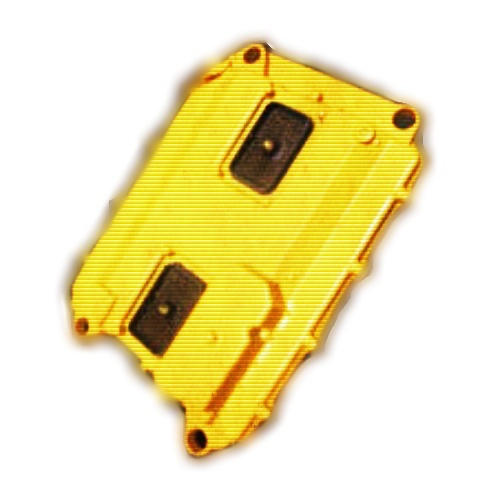
The engine computer is a record of how the truck has really been used. Read it with a service tool or ask the seller for a report:
- Engine hours vs miles: high hours for the mileage means lots of idling or slow vocational work.
- Idle percentage: high idle time wears engines and aftertreatment.
- Fault codes: active and logged codes, with how often they occurred, point to problem areas.
- Maximum speeds and hard braking: a hint of how the truck was driven.
- Fuel economy: compare with similar trucks.
Check also that the ECM is the original unit and has not been reprogrammed with mismatched settings. Our guide to the diesel truck ECM explains the data it stores.
Paperwork and history
- Title in the seller’s name, matching VIN on the truck and paperwork.
- Maintenance records: oil changes, overhauls, DPF cleaning.
- Annual inspection reports.
- Accident and repair history.
- Any open recalls.
Federal requirements for commercial vehicle inspections are on the FMCSA website.
Price and negotiation
When buying a used semi truck, use what you find. Worn tires, brakes due soon, aftertreatment codes or an ECM with stored faults are all repair costs you can price and deduct. For example, an engine computer repair costs $399.99 to $699.99 on our price list (November 2026), and a remanufactured ECM $1,199 to $2,499.
Walk away from trucks with frame cracks, signs of flood damage or sellers who will not allow an inspection.
After you buy
- Do a full service: oil, filters, coolant test.
- Clean and tighten all battery cables and grounds.
- Record the ECM part number and engine serial number.
- Start a semi truck maintenance routine.
Private seller or dealer?
Dealers often provide some history, a basic inspection and sometimes a short warranty, but prices are higher. Private sellers can be cheaper, but you carry more risk and must do every check yourself. Either way, buying a used semi truck without an independent inspection and an ECM data report is a gamble.
Frequently asked questions
What should I check when buying a used semi truck?
ECM data and codes, cold start, leaks, aftertreatment, turbo, transmission, frame, brakes, tires and electrical, then a road test.
Why is ECM data important when buying a truck?
It shows engine hours, idle time and fault history that the odometer and seller may not.
How many miles is too many on a used semi?
It depends on maintenance history and engine condition more than the number. A well-kept high-mileage truck can beat a neglected low-mileage one.
Can you check a used truck’s ECM?
Ask a local shop to read it, or call us if you find ECM-related faults.
Found ECM problems on a used truck?
Call 726-999-0231 or contact us with the codes and the ECM part number.