Regular semi truck maintenance is the cheapest insurance an owner-operator or fleet can buy. Most breakdowns, from blown tires to failed engine computers, give warning signs that a simple checklist catches early.
This semi truck maintenance checklist covers why preventive maintenance pays, daily, monthly and yearly checks, and the electrical and ECM checks that are often forgotten.
In this guide
Why semi truck maintenance pays
A roadside breakdown costs the repair, plus a tow, lost loads, a late delivery and a driver who is not earning. Truck preventive maintenance catches small problems, like a loose battery cable or a weeping hose, before they become a breakdown.
It also keeps the truck safe and legal. The FMCSA requires inspections and maintenance records for commercial vehicles.
Daily checks
- Engine oil and coolant levels.
- Tires: pressure, cuts and tread.
- Lights, reflectors and wipers.
- Brakes: air pressure build-up, leaks and pushrod travel.
- Leaks under the truck: oil, fuel, coolant, air.
- Dash warning lamps after start-up.
- Coupling devices and mud flaps.
Monthly checks
- Battery terminals and cables: clean and tight.
- Belts and hoses: cracks, glazing and tension.
- Air filter restriction indicator.
- DEF level and quality on newer trucks.
- Fifth wheel lubrication and condition.
- Suspension and air bags for leaks or damage.
Yearly and mileage-based checks
| Item | Typical interval |
|---|---|
| Oil and filters | Per engine maker’s interval |
| Fuel filters | Per engine maker’s interval, sooner with poor fuel |
| Coolant test or change | Yearly test |
| Valve adjustment | Per engine maker |
| DPF cleaning | Per engine maker and duty cycle |
| Annual inspection | Every 12 months |
Always follow your engine and truck maker’s schedule. Our guide to the parts of a semi truck explains what each system does.
Electrical and ECM checks
Electrical faults cause many breakdowns and most of the ECM failures we repair. Add these to your PM:
- Load-test batteries and check charging voltage.
- Clean and tighten all battery cables and engine and frame grounds.
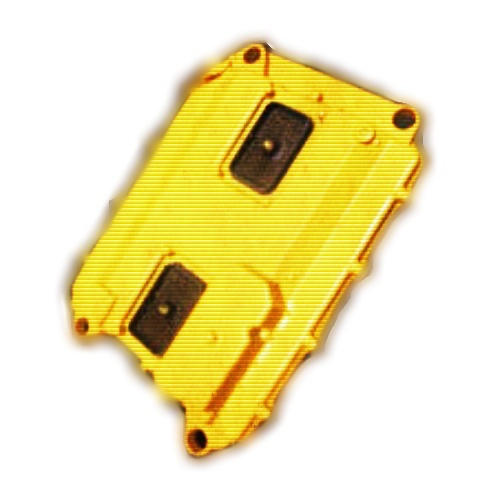
- Check the ECM mounting bolts and rubber isolators.
- Inspect ECM connectors for water and corrosion twice a year.
- Look for chafed harnesses near brackets, the exhaust and frame rails.
- Read and record fault codes at every service.
Our ECM maintenance guide explains each item, and what causes ECM failure shows what happens when they are skipped.
Keeping maintenance records
Write down every service: date, mileage, what was done, parts used and any fault codes found. Good records help you spot repeat problems, prove maintenance for warranty claims and add value when you sell the truck.
For fleets, record each truck’s ECM part number and engine serial number too. When a part fails on the road, that information gets the right replacement ordered in minutes.
The driver’s role
Drivers see problems first. Encourage them to report warning lamps, new noises, leaks, smoke and changes in performance right away, and to write down fault codes before anyone clears them. A two-minute report often prevents a two-day breakdown.
Frequently asked questions
What should a semi truck maintenance checklist include?
Daily fluid, tire, light and brake checks; monthly battery, belt and hose checks; and scheduled oil, filter, coolant and inspection service.
How often should a semi truck be serviced?
Follow the engine and truck maker’s schedule for your duty cycle, and inspect every 12 months at minimum.
Can maintenance prevent ECM failure?
Yes. Clean grounds, sealed connectors and good charging voltage prevent most ECM failures.
What maintenance saves the most money?
Tire pressure, battery and electrical checks, and catching leaks early.
Need help with your ECM?
Call 726-999-0231 or contact us. Our Fort Worth team repairs and replaces truck ECMs.