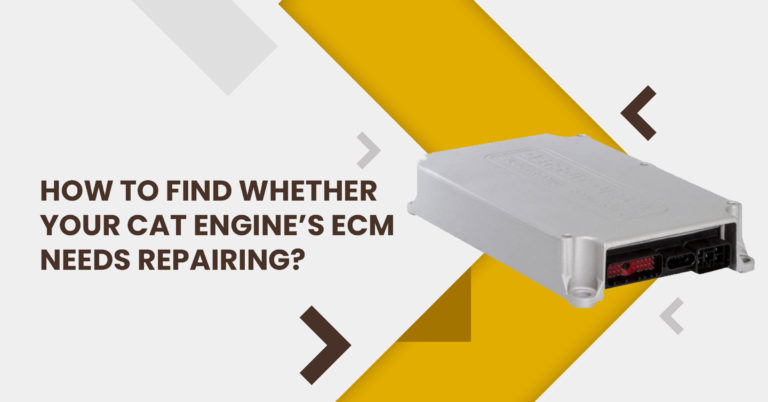
Caterpillar ECM calibration is the set of steps that makes the engine computer match the exact engine, injectors and truck it is installed on. Skip a step and you can get rough running, smoke, wrong road speed or fault codes, even with a perfect ECM.
This guide explains what calibrating a Cat ECM involves, when it is needed, and the 5 steps that get it right: the flash file, injector trim codes, timing calibration, customer parameters and a road test.
In this guide
What Caterpillar ECM calibration means
People use the word calibration for several related jobs. In practice, Caterpillar ECM calibration covers:
- Loading the correct software (flash file) for the engine serial number and rating.
- Entering the trim codes for each fuel injector.
- Running timing calibration on engines that need it.
- Setting customer parameters such as tire size, axle ratio and speed limits.
All of these are stored in the ECM. Together they make the computer’s picture of the engine match the real engine. To calibrate a Cat ECM correctly you need all four, in the right order.
When a Cat ECM needs calibration
- A replacement ECM is installed (new, remanufactured or used).
- One or more injectors are replaced.
- Engine timing components are replaced or disturbed during a repair.
- Tires or the rear axle ratio are changed.
- A software update or rating change is loaded.
A repaired original ECM usually keeps its Caterpillar ECM calibration, which is one reason repair is often simpler than replacement. See Caterpillar ECM repair for details.
Step 1: the right flash file
The flash file is matched to the engine serial prefix, the first three characters of the serial number, such as KCB on a C13 or BXS on a C15. The wrong file can set the wrong fuel limits or stop the engine from starting.
Read the full serial number from the engine data plate. Our page on finding your engine serial number shows where it is on Cat engines. Programming is covered in our Caterpillar ECM programming guide.
Step 2: Cat injector trim codes
Every injector is slightly different from the factory, which is why Cat injector trim exists. Caterpillar tests each one and prints a trim code on it. The ECM uses that code to adjust the fuel it commands so that all cylinders deliver the same amount.
After a new ECM or new injectors, the trim code for each cylinder must be entered or loaded from a trim file. Missing or wrong trim codes can cause rough idle, white smoke, uneven cylinder temperatures and poor fuel economy.
Write the trim codes down before you install new injectors. Once they are under the valve cover they are hard to read.
Step 3: Cat timing calibration
Some engines need a Cat timing calibration so the ECM knows the exact relationship between the crankshaft and camshaft sensors. It is done with the service software and, on some engines, a timing probe.
Timing calibration is usually needed after the ECM, timing sensors or timing gear components are replaced. Without it, the engine can run with retarded or advanced timing, which shows up as low power, smoke or high exhaust temperatures.
Steps 4 and 5: parameters and a road test
Step 4 is setting customer parameters: tire revolutions per mile, rear axle ratio, vehicle speed limit, cruise limits, idle shutdown and engine brake settings. Wrong tire or axle data makes the speedometer, road speed limit and cruise inaccurate.
Step 5 is a road test. Check the speedometer against GPS, confirm cruise and the engine brake work, look for smoke and check that no new fault codes appear. Only then is the Caterpillar ECM calibration complete.
What to send us
When we prepare a pre-programmed replacement ECM, we ask for:
- The full engine serial number and the ECM part number.
- The VIN, tire size and rear axle ratio.
- Your custom settings, or “factory settings”.
- Injector trim codes if the injectors have been replaced since the engine left the factory.
With that information, our remanufactured Caterpillar ECMs arrive ready to install plug and play.
Common calibration mistakes
- Guessing the serial prefix from the engine model instead of reading the data plate.
- Re-using trim codes from the old injectors after new ones are installed.
- Skipping timing calibration after replacing the timing sensors.
- Running a flash with weak batteries, which can interrupt the update.
Each of these causes problems that look like a bad ECM. Ruling them out first saves time and money.
Who should calibrate a Cat ECM
Customer parameters can be changed by a shop with the right service software and a data link adapter. Loading flash files, protected parameters and some calibrations need factory-level access and passwords.
If you buy a pre-programmed replacement from us, most of the Caterpillar ECM calibration is done before the unit ships. On the truck you only confirm the settings, enter injector trim codes if the injectors were changed, run Cat timing calibration if your engine needs it, and road-test.
Frequently asked questions
Do I need to calibrate a Cat ECM after a repair?
Usually not. A repaired original ECM keeps its software, trim codes and settings.
What happens if injector trim codes are wrong?
The cylinders receive uneven fuel, which can cause rough idle, smoke and poor fuel economy. Enter the correct code for each cylinder.
Can calibration fix low power?
It can if the cause is wrong timing, wrong trim codes or the wrong rating. It will not fix a worn turbo or a fuel supply problem.
Is Caterpillar ECM calibration the same as tuning?
No. Calibration makes the ECM match the engine as built. Caterpillar ECM tuning changes ratings or settings on purpose.
Get your Cat ECM calibrated right
Our Fort Worth team prepares calibrated, pre-programmed Caterpillar ECMs and repairs original units. Call 726-999-0231 or contact us. Caterpillar’s own engine information is at cat.com.